

A great advertising campaign sparks excitement, creates buzz, boosts sales, and generates leads. But let’s be honest: campaigns are fleeting, much like fireworks. They pop, make your brand shine, and then fade away.
The question is: what remains once the campaign smoke has cleared from your target audience's minds? What keeps your brand top of mind in the long run? The answer: your brand assets.
Brand assets are the building blocks of your brand. Not one-off campaign visuals or promotional actions, but elements you can use time and again that make up the DNA of your brand . Think of them as the common thread running through your brand story: your tone of voice, your consistent typography and color palette, recurring formats or segments, a striking visual concept, your slogan or tagline, a recognizable mascot, sound logo, or film style…
That might sound abstract, but just look around you:
All examples of brands that are more than just campaigns thanks to smart branding.
The big difference between campaign and brand assets is that campaign assets have a rather limited shelf life , such as slogans or concept visuals for a specific promotion or launch. They are designed to activate. Ka-boom! Instant impact!
Brand assets are timeless, or at the very least, flexible over time. They are designed to create recognition and build trust over a longer period. You keep charging them up, making them stronger with every repetition – in a campaign. And that is exactly what makes them so powerful (and indispensable for your sales).
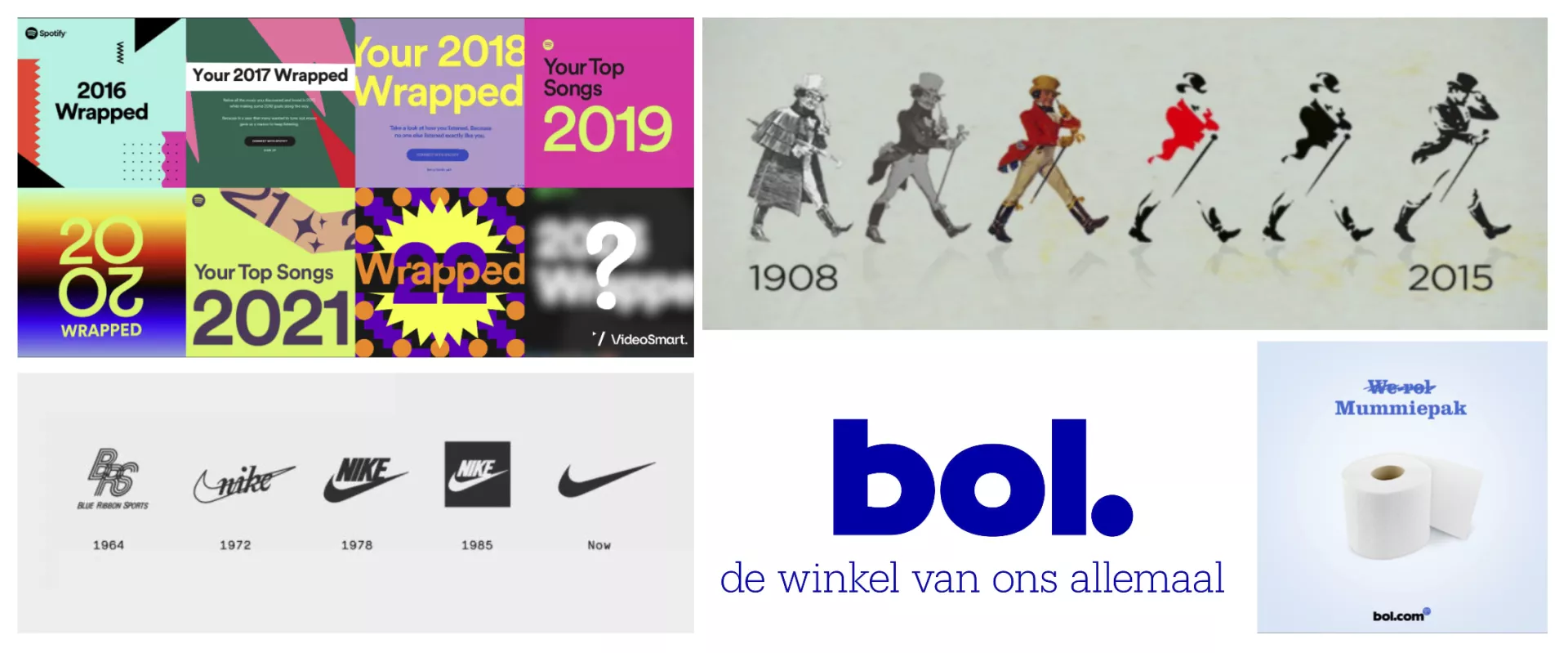
While campaign assets keep attention for your brand high, brand assets ensure lasting brand recognition. And that is the very core of successful brands. People don't remember individual actions; they remember patterns. Repetition. Constants. Swoosh. Keep walking. Wrapped. Brand assets provide that consistency, ensuring every piece of content—from Instagram to POS to TV commercials—feels like a cohesive whole. One story. Your brand sticks, even when the context (read: the campaign) changes or needs to be adapted for a local market.
Now, the use of short-term and long-term strategies is nothing new in marketing… Just think of the classic by Les Binet and Peter Field: The Long and the Short of It. Still incredibly relevant for anyone wanting insight into how sales activation (supported by campaign assets) may provide a quick spike in sales, but rarely sustains that effect in the long run. For sustainable growth, a combination of activation and branding is required.
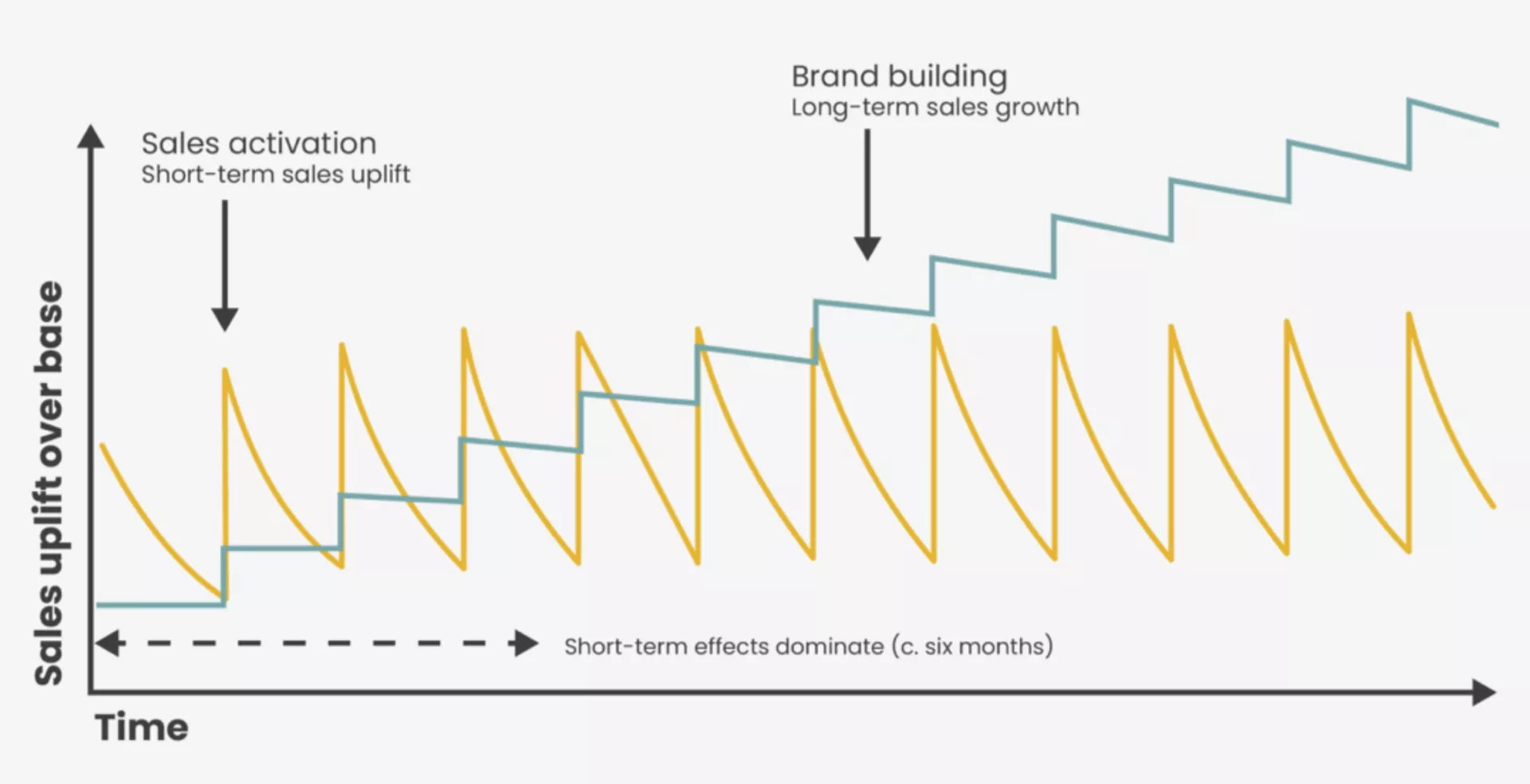
Successful brands like Nike or Johnnie Walker consciously combine both short-term and long-term approaches. On one hand, through performance campaigns that deliver quick results. On the other, through consistent brand building that conditions consumers—long before they make a purchase—through repetition. Research by the "godfathers of effectiveness" showed that long-term (3+ years) yields twice as much profit as short-term only (<1 year). Combine both? Then the return on investment increases even more. And those who dare to focus on emotional rather than purely rational messagingdouble their effectiveness once again.
The message remains: make sure your brand assets are in order alongside your campaign assets. This way, you build not only short-term visibility but also a brand that sticks and continues to sell in the long term. So, do as Johnnie does: Keep walking.
And that’s a wrap!