


E-commerce continues to grow strongly in Europe. Regardless of their sector, companies are seeing their customers shift increasingly toward online channels. As a result, they are investing heavily—and with sky-high expectations—in webshops, linking them to new websites and powerful campaigns. Yet, we often hear the same story:
Research confirms this picture: the vast majority of B2C and B2B webshops are not performing as expected. And that is not due to the technology, but rather the approach. Companies that view their webshop as a growth engine choose a completely different strategy than companies that just want to have an 'online presence'.
1. A webshop that runs, but doesn't sell
Many webshops get plenty of traffic, but customers drop off along the way. Sometimes due to unclear navigation, sometimes because of a clunky checkout, or simply because competitors are faster and more user-friendly.
2. Marketing that generates clicks, but no revenue
Advertising on Google or social media can bring in visitors, but clicks don't pay the bills. Without a strategy focused on SEO, content, and conversion, performance marketing becomes an expensive exercise with no return.
3. A platform that costs more than it earns
Too often, a webshop is technically set up as a 'pretty business card', but lacks a business model that ensures scalability, integrations with CRM/ERP, and customer follow-up. The result: a cost center instead of a profitable engine.
When we talk to marketing and sales managers, we hear the same expectations every time:
In other words: not just a website with a shop, but an integrated e-commerce ecosystem.
1. Conversion over beautiful design
Everyone wants an attractive webshop, of course. But the companies that truly stand out know that design only adds value when it actually drives sales. Conversion Rate Optimization (CRO) is the key: through heatmaps, A/B testing, and funnel analysis, design is continuously monitored and refined.
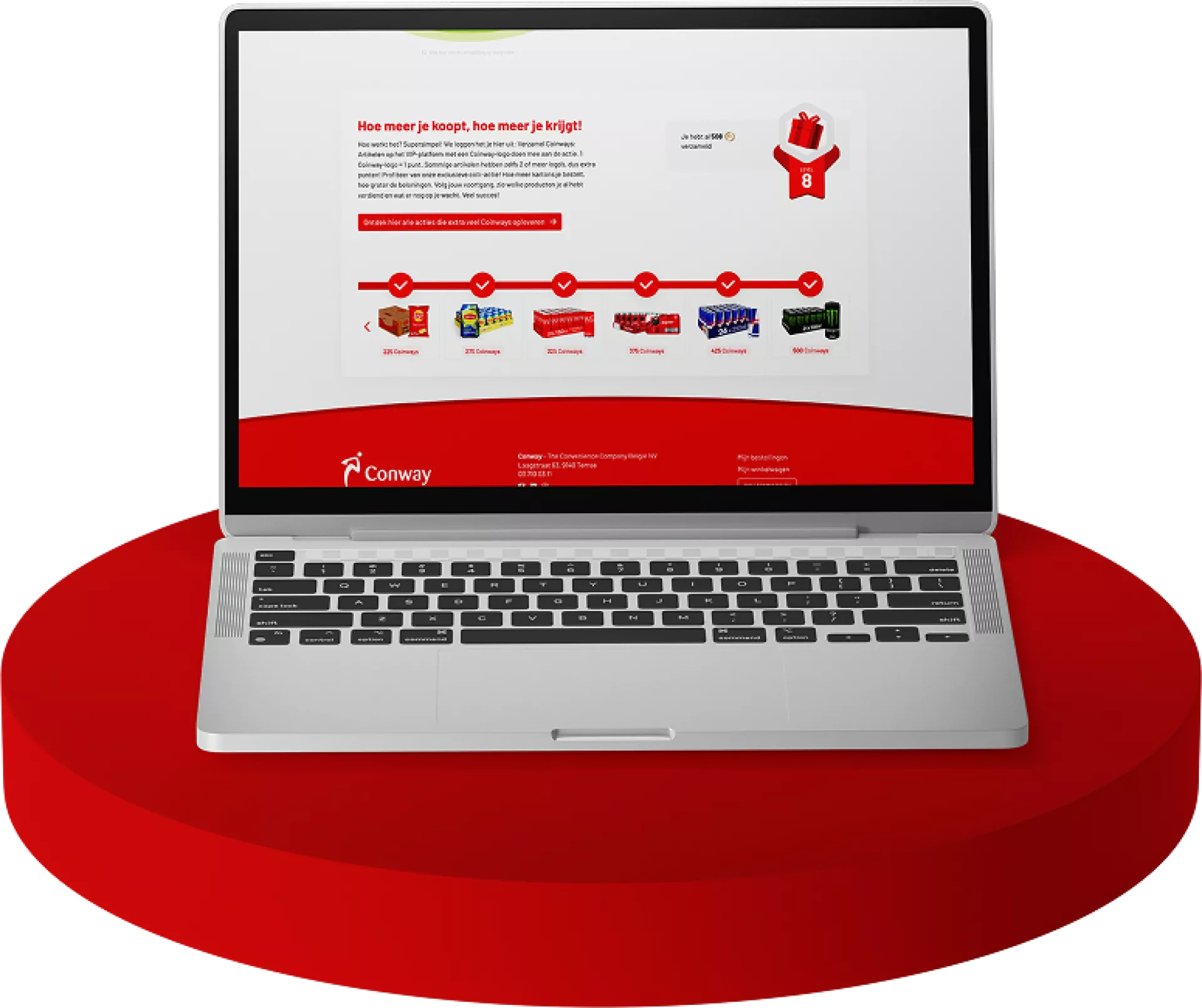
Read the Conway case study here: For their VIP Shopping App , the focus wasn't on flashy visuals, but on ease of use and personalization. Customers received exclusive benefits and an intuitive shopping experience. The result? Repeat purchases and more loyal customers who kept coming back.
2. Content and SEO as a foundation
Paid advertising is becoming increasingly expensive. Companies that rely solely on it are seeing their margins evaporate. That’s why the winners choose a content-first approach: inspiring product stories, guides, reviews, and advice. This not only builds brand authority but also generates organic traffic that continues to grow sustainably.
A webshop that invests in SEO and content marketing becomes less dependent on paid campaigns and earns customer trust.
3. Data and automation for true personalization
Every click, search, and purchase generates data. Successful webshops use that data to engage customers on a personal level. Think of:
The difference? While the average webshop shows every customer the same thing, visitors to data-driven webshops feel seen and understood. That turns a one-time buyer into a returning customer.
4. Technology that scales with your business
A webshop that crashes during peak traffic or fails to integrate with internal systems is an instant revenue killer. That is why, in 2025, companies are resolutely choosing cloud-native, API-first, and headless solutions.
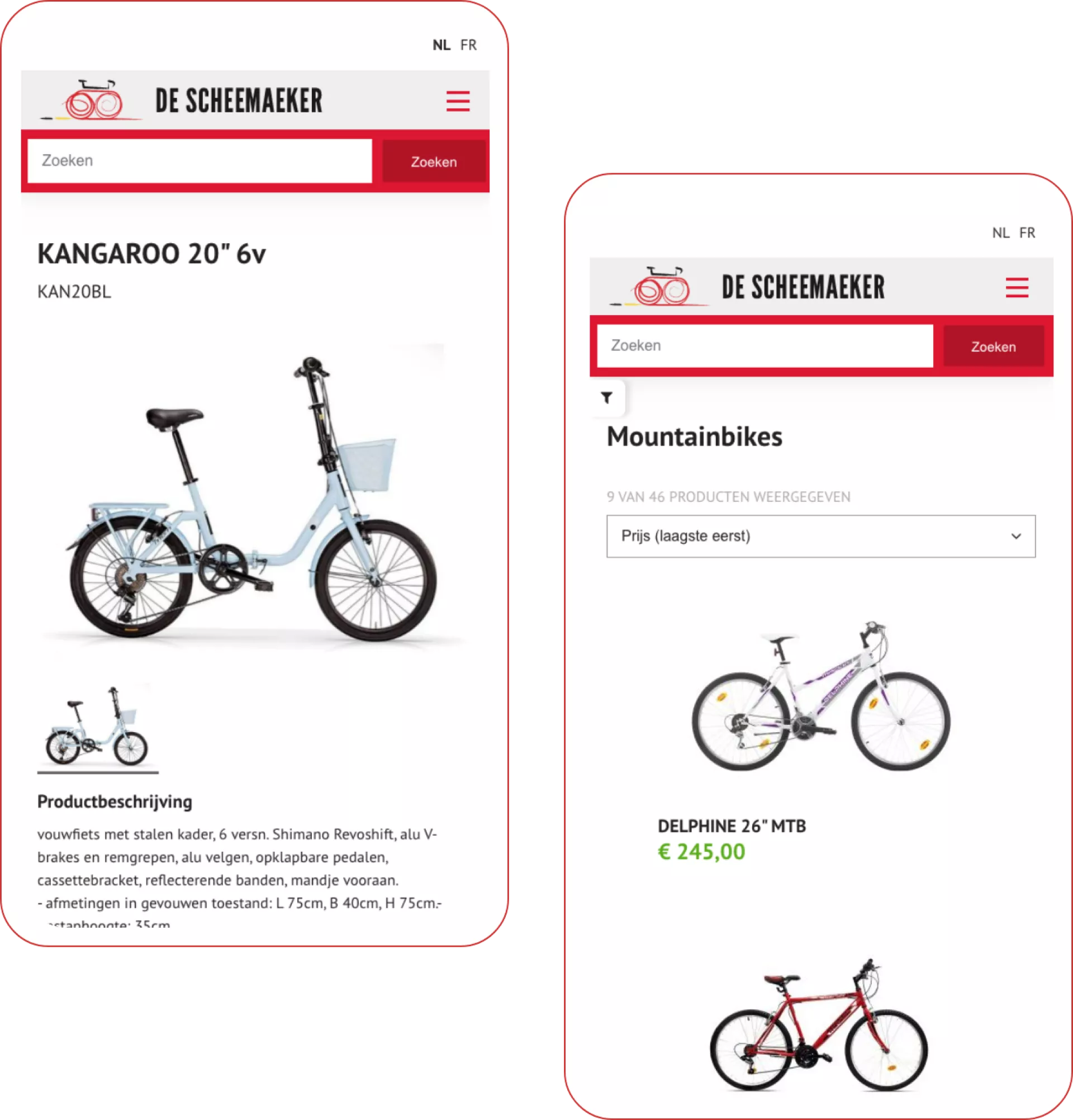
Read the De Scheemaeker case study here: Their new website combines an extensive product catalog with easy management and smart integrations. The e-commerce platform is not just an online storefront, but a commercial tool that supports the company's growth.
5. From sales channel to loyalty engine
The strongest webshops today are more than just a sales channel: they build relationships. Through loyalty programs, personalized offers, and CRM integrations, customers are turned into loyal fans.
The difference is clear: companies that focus on loyalty need to invest less in acquiring new customers and see their customer lifetime value increase significantly.
What this delivers in practice
Companies that adopt this approach notice the difference immediately:
Conclusion: from webshop to growth platform
E-commerce in 2025 is no longer about just 'being there'. It is about strategy, integration, and vision. The winners understand that a webshop is more than just a site: it is the heart of your commercial ecosystem.