


Strong press and media relations are essential for companies that want to communicate authentically and effectively with their target audiences. But how do you achieve this in a complex communication landscape that needs to appeal to both traditional newspaper readers and digital natives? How do you bridge the communication gap between the baby boomer generation and Gen Alpha? Cross-generational PR provides the answer. In this article, we explain how companies can reach all generations using strong press and media relations, and how digital media and data analysis make the difference.
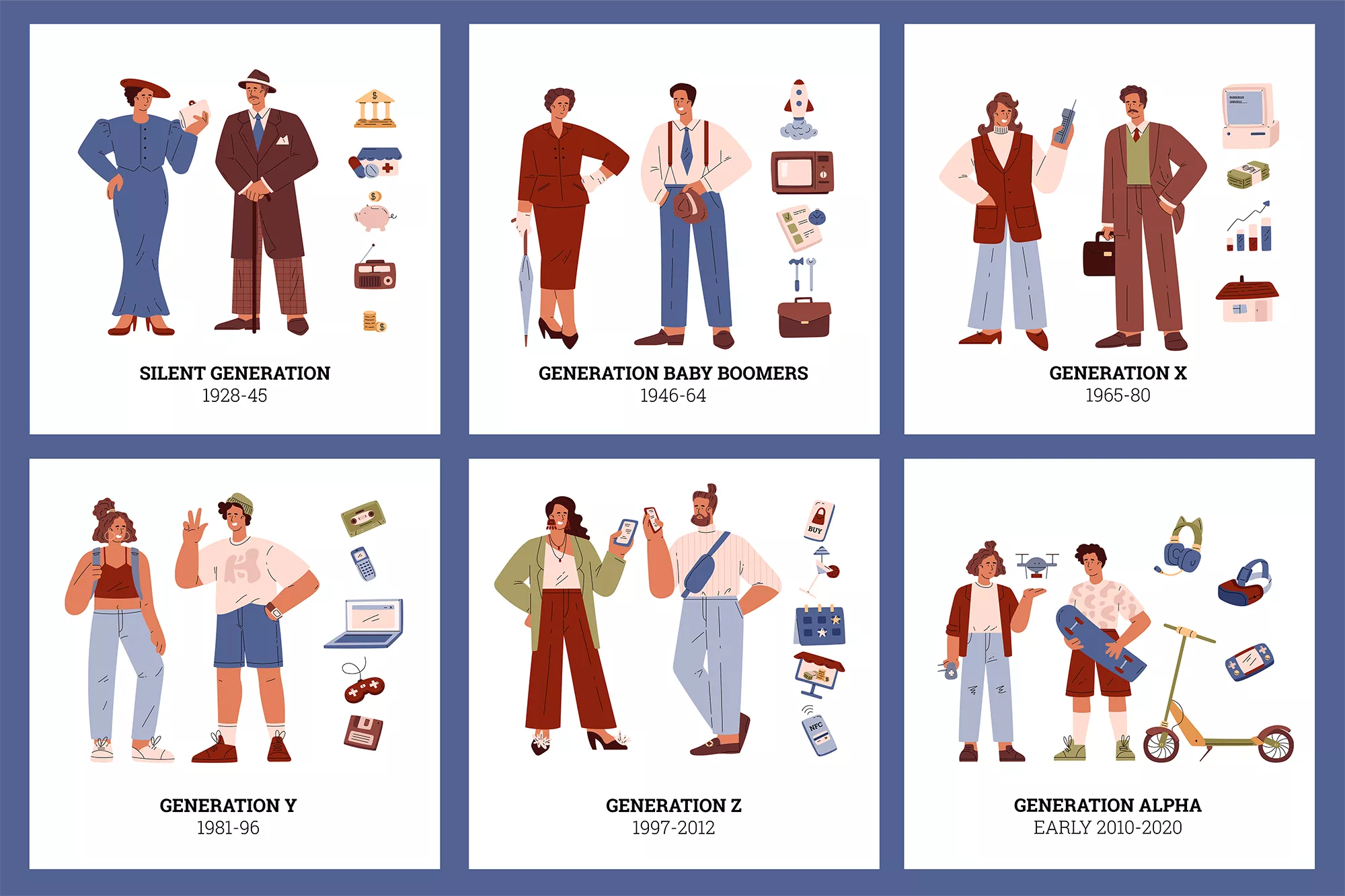
When it comes to communication, all generations have one thing in common: they value clarity, honesty, and consistency when you communicate with them. No matter how much they differ from one another and regardless of the media they use—from newspapers to TikTok.
Effective press relations are not just about broadcasting a message. It is about building lasting relationships with the right journalists, media outlets, opinion leaders, and influencers—always with mutual respect and collaboration as core values. This is no easy feat in an era of heterogeneous audiences that span multiple generations. Drawing on our experience, we provide several insights and examples below on how to successfully reach baby boomers, Gen Alphas, and every generation in between today.
The days when press relations revolved solely around press releases, press conferences, and interviews are over. Today, we live in a hybrid world where traditional media (newspapers, radio, television) and digital media (social networks, blogs, podcasts) converge and flow into one another almost seamlessly. Journalists and media outlets have adapted to this reality, and companies must follow suit.

Example: When the Belgian company Van Hool faced severe financial difficulties in 2024, co-CEO Marc Zwaaneveld managed to maintain a calm environment by communicating openly, empathetically, and honestly, both internally and externally. His approach combined traditional media (press releases and press conferences) with digital updates (via the company's social media regarding vehicle deliveries to customers and via digital newsletters with the latest information for employees). This ensured clarity and trust among customers, employees, and stakeholders.
What can we learn from this? Build bridges between traditional and digital media. Personal relationships with journalists remain crucial, but ensure your message has the same clarity and impact online.
Journalists and media channels are more than just conduits for your message. They are partners in the story you are telling. A successful collaboration therefore begins with mutual respect, transparency, and an understanding of each other's goals. At the same time, you should certainly not be naive: the press is looking for scoops and wants to be the first to break "the news." Even if they don't have all the facts, and even if you don't formally confirm the "news" they have uncovered. It is about readership, listenership, and viewership numbers, and these days, increasingly about clickbait.

How do you build trust with the media as a company? Keep these 3 ground rules in mind: Be honest and provide accurate information, especially when delivering difficult messages. Be responsive and available when journalists have questions. And thirdly, respect deadlines and provide newsworthy content that is relevant to their audience.
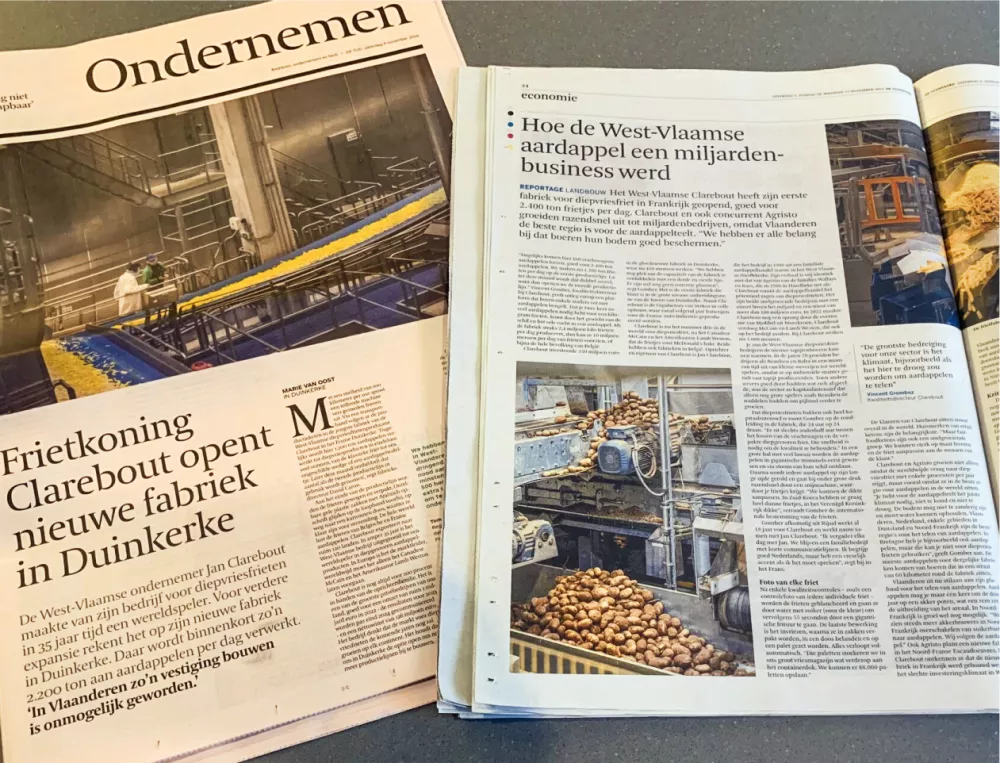
Example: How do you show the world that your company is fully embracing its social responsibility? Clarebout, the Belgian producer of frozen potato products, sought and found the answer to this question through open communication and transparent information for the press. They invited journalists to their newest production site, where they proactively and accurately informed the media about the sustainable measures the company is taking to promote regional employment and limit the production's impact on the surrounding area. In doing so, Clarebout built trust with both journalists and local communities.
What can we learn from this? Honest communication and collaboration with the press help turn difficult situations around and strengthen credibility.
Every generation consumes media differently. Here is a brief overview to give you an idea:
Each generation has its own media, then. And that presents a major challenge for companies. Because how can you still clearly convey your message across generations if you have to manage all those channels? And is that even possible? The answer is a resounding yes!
Example: Nike’s ‘You Can’t Stop Us’ campaign during the pandemic appealed to different generations through a powerful message of inclusivity and resilience. The campaign efficiently combined traditional TV advertising with viral online videos, resulting in millions of views and a clear cross-generational impact.

What can we learn from this? Segmentation is crucial. Ensure a consistent message that is delivered via different channels tailored to each generation. If you know that Generation Alpha places great importance on innovative technology and interactive storytelling, what is stopping you? Just do it!
Social media and online platforms play a key role in modern PR campaigns. They offer the opportunity to communicate quickly and directly with audiences, but they also bring challenges such as online reputation management. In a digital world, after all, a single negative review or an ill-considered statement can quickly go viral. Monitoring what is being said about your company and responding proactively is therefore crucial.

Example: Starbucks used social media to promote a customer-centric culture. When faced with criticism regarding working conditions, the company responded openly and proactively with concrete improvements, which quickly restored trust in the brand.
What can we learn from this? Build a strong presence on relevant social platforms. LinkedIn for B2B, Instagram and TikTok for younger audiences. Monitor online conversations and use data analytics (see below) to identify trends and respond proactively. And: Collaborate with influencers and opinion leaders who resonate with your target audience.
The role of data in PR is greater than ever. Thanks to advanced tools, companies can now precisely measure which campaigns are working and which are not. Data analytics helps to distribute the right message at the right time through the right channel.
There are numerous practical applications. Think, for example, of media monitoring to track where your company is mentioned and to measure the impact of your PR efforts. In addition, data analysis of online behavior provides useful audience insights that help you better understand the needs and interests of different generations. Finally, you can use data for content optimization and to increase the impact of your message.
Example: Coca-Cola’s "Share a Coke" campaign used data analytics to identify the most popular names and regional preferences. The campaign was localized globally and connected seamlessly with various target groups, from millennials to Gen Z. Thanks to continuous analysis and optimization, the campaign reached millions of consumers and strengthened the bond with the brand.

What can we learn from this? Combine creativity with data. A good story remains the core of PR, but data ensures that your story reaches the right people.
In a world of fake news and fleeting content, honesty, consistency, and credibility are your strongest assets. You build a good reputation by communicating authentically, even when the message is difficult.

Example: When Patagonia, a manufacturer of high-quality, multi-functional outdoor clothing and gear, decided to donate its profits entirely to environmental causes, they communicated this in a transparent and consistent manner. The result was not only massive media attention but also a strengthening of their credibility as a sustainable brand.
What can we learn from this? Be honest. Do not sugarcoat bad news. Transparency creates long-term trust. Stay consistent and ensure that your message and values are recognizable across all channels. And build credibility. Work with reliable journalists, influencers, and media outlets.
Building strong press and media relations is not a one-size-fits-all approach. It requires a strategic mix of personal connections, digital innovation, data analytics, and, above all, an authentic message. At Pressworld, we help companies and business leaders find this balance and execute effective PR campaigns that appeal to all generations.
Whether you are sharing a message with baby boomers via the newspaper or with Gen Z and Generation Alpha via TikTok and AR, the foundation remains the same: respect your audience, work with media professionals, and be honest, consistent, and credible.
Would you like to know more about how Pressworld can take your PR strategy to the next level? Contact us. Together, we will build lasting relationships and impactful communication for you and your company, today and tomorrow, across all generations.